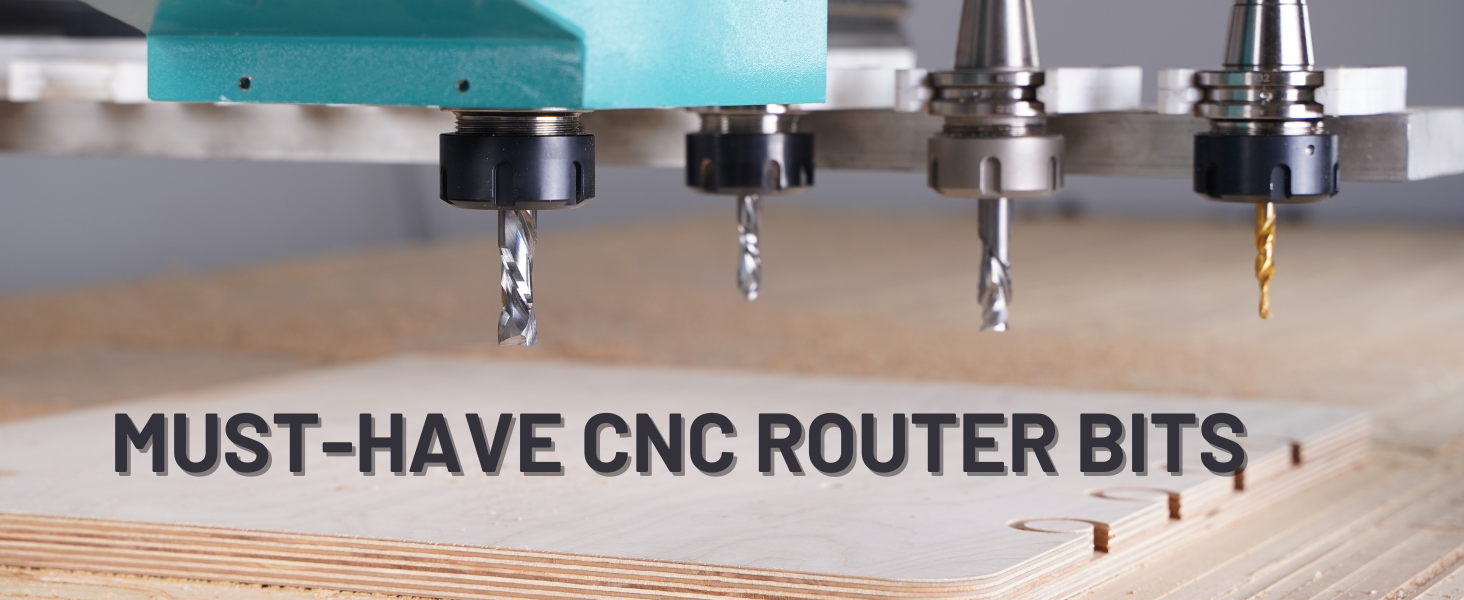
If you’ve been doing woodworking or CNC work for a while, you’ve probably already noticed it…
Router bits and cutting tools aren’t as cheap as they used to be. And if you haven’t felt it yet, you likely will soon.
At ZahyoX, we don’t like price increases any more than our customers do. We use these same tools in real woodworking applications, so this isn’t just theory—it’s something the entire industry is dealing with.
And here’s the reality: carbide costs are rising globally, and the pressure isn’t slowing down.
Carbide Router Bit Prices Are Increasing Across the Industry

Across CNC shops, woodworking studios, and industrial suppliers, one trend is clear:
Carbide tooling is getting more expensive year after year.
The reason is not just inflation—it’s deeper than that. It starts with the raw material behind nearly every premium router bit: tungsten carbide.
What’s Driving Carbide Prices Up?

Let’s break it down in a simple, practical way.
1. Tungsten Supply Is Tightening Globally
Tungsten is the foundation of carbide tooling. Without it, high-performance router bits simply wouldn’t exist.
The challenge today is supply. Global tungsten availability has become increasingly constrained due to:
- Limited mining output
- Stronger export controls on raw materials
- Higher refining costs
- Long supply chain lead times
When supply tightens and demand stays strong, prices naturally move upward.
2. Demand Is Expanding Beyond Woodworking
Router bits and carbide materials are no longer used only in woodworking. They are now essential across multiple high-demand industries:
- Aerospace manufacturing
- Automotive production
- Industrial machining
- Energy and infrastructure projects
- Precision electronics manufacturing
These industries operate at a massive scale. When they compete for the same raw materials, smaller markets like woodworking feel the impact first.
3. Supply Chain Pressure and Market Uncertainty
Global supply chains have been under constant pressure in recent years. Even small disruptions in raw materials create ripple effects:
- Longer lead times
- Higher production costs
- Frequent pricing adjustments
Manufacturers often respond quickly to protect margins, which means pricing changes can reach end users very fast.
4. Prices Have Already Moved—and More Adjustments Are Likely
Across the cutting tool industry, we’ve already seen noticeable price increases over the past year.
While exact numbers vary by region and product type, the overall direction is consistent:
- Higher carbide input costs
- Rising manufacturing expenses
- More frequent price updates from suppliers
In simple terms: tools today are generally cheaper than tools tomorrow.
What This Means for Woodworkers and CNC Shops
If you’re running a shop, building products, or doing CNC work, this trend directly affects your bottom line.
Higher tooling costs can lead to:
- Increased project expenses
- Tighter profit margins
- More pressure on pricing your work
- More frequent tool replacement budgeting
Even small increases in bit cost add up quickly over time, especially for high-volume users.
The Smart Approach Right Now
This isn’t about panic buying. It’s about planning ahead.
If you already know you’ll need router bits in the coming months, it often makes sense to secure them earlier rather than later.
Because once pricing updates happen across the supply chain:
- Retail prices adjust quickly
- New inventory comes in at higher cost
- Old pricing rarely returns
Why Tool Quality Matters More During Price Increases
When prices rise, tool quality becomes even more important.
A low-quality router bit that dulls quickly doesn’t save money—it increases long-term cost.
That’s why at ZahyoX, we focus on performance-driven tooling designed for real woodworking environments:
- Precision-ground carbide edges
- Longer tool life under CNC use
- Cleaner cuts with less sanding required
- Stable performance in hardwood and plywood
Better tools reduce waste, reduce downtime, and ultimately protect your production efficiency.
Final Thoughts
The woodworking industry is entering a period where raw material costs and tooling prices are more volatile than before.
And while no one can perfectly predict future pricing, the trend is clear: carbide-based tooling is becoming more expensive to produce.
The key takeaway is simple:
If you know you will need router bits soon, planning ahead can help you manage costs more effectively.
Explore our full range of high-performance carbide router bits at: www.zahyox.com